

Say goodbye to outdated enterprise software and welcome the smoother one. We lead you from design to product innovation to shape your path from idea to success.
2432-000, Akon Momgil, Sagordi, Barishal
Mirpur 6, Block#D, Road#03, House#04, 1st floor, Dhaka-1216
01575-130259, 01701-304268
contact@mntechdigital.com, shohidul@mntechdigital.com
© 2022-2025 MNTECH DIGITAL | All Rights Reserved

MNTECH DIGITAL empowers businesses with innovative strategies & creative agency solutions
This software are used to manage student data, such as grades, attendance, and schedules, and to facilitate communication between students, parents, and educators.

Real estate transaction management software is used to manage the process of buying or selling a property. It helps real estate agents and brokers automate tasks such as document management, contract management, and closing coordination.
System software manages and controls hardware components, providing a platform for running application software. Examples include operating systems, device drivers, and utility programs that ensure smooth operation of the computer.
Startups use cloud computing platforms such as AWS, Google Cloud, or Microsoft Azure to host and manage their software and applications, enabling them to scale their businesses quickly and efficiently.
NFV software is used to virtualize network functions, such as routers and switches. It helps telecommunication companies reduce hardware costs, improve network flexibility, and deploy new services more quickly.
CRM software is used to manage customer interactions and relationships. It helps telecommunication companies provide better customer service, personalize customer experiences, and improve customer retention.
Inventory management software is used to manage the hardware and software inventory of telecommunication companies. It helps operators track and manage their assets, optimize their inventory levels, and prevent stockouts.
CEM software is used to measure and manage the customer experience. It helps telecommunication companies gather customer feedback, identify areas for improvement, and optimize customer journeys.
Integrated CRM modules within ERP systems manage customer data, sales pipelines, and marketing campaigns. They improve customer interactions, boost sales, and enhance customer loyalty.
Medical imaging software is used to store, manage, and analyze medical images, such as X-rays, CT scans, and MRIs. This software can help healthcare providersmake more accurate diagnoses and developmore effective treatment plans.
Application software refers to programs designed to perform specific tasks for users, such as word processors, spreadsheets, and media players. It enhances productivity by enabling users to accomplish targeted functions efficiently
This software is used to track inventory levels, manage stock orders and returns, and monitor product performance.
CRM software is used to manage customer interactions and relationships. It helps e-commerce companies provide better customer service, personalize customer experiences, and improve customer retention.
These technologies are increasingly being used in education to provide students with immersive and interactive learning experiences, such as virtual field trips and simulations.
This software is used to manage transactions at the cash register, including processing payments, tracking inventory, and generating sales reports.
Security software protects systems and data from cyber threats through tools like antivirus programs, firewalls, and encryption software. It helps organizations safeguard sensitive information and maintain system integrity.
This software is used to analyze sales data, customer behavior, and market trends to gain insights into the business and make informed decisions.
These interactive displays are used in classrooms to enable teachers to deliver engaging presentations, annotate lessons, and collaborate with students in real-time.
Real estate marketing software is used to create and distribute marketing content, such as property listings, virtual tours, and property photos. It helps real estate companies attract more leads and convert them into customers.
Logistics management software is used to manage the shipping and delivery of e-commerce orders. It helps companies track shipments, manage delivery routes, and optimize delivery times.
Our Accounting & Finance Software is a comprehensive financial management solution designed to streamline and automate every aspect of your business accounting. Built with modern technology and deep industry insight, this software empowers businesses to manage their finances with accuracy, efficiency, and complete control
Startups use social media management tools such as Hootsuite, Buffer, or Sprout Social to manage their social media presence, engage with customers, and track social media performance.
These programs are designed to help students learn a new language through interactive lessons, exercises, and practice activities.
EHRs are digital versions of patient medical records.They allow healthcare providers to easily accesspatient information, including medical history, lab results, and medication information.
HRM modules in ERP systems manage employee data, payroll, recruitment, performance reviews, and benefits administration. This helps companies optimize workforce management and enhance employee engagement.
This software includes a wide range of programs and applications designed to enhance learning, such as interactive textbooks, simulations, and educational games.
Inventory management software is used to manage the inventory of e-commerce companies. It helps businesses track inventory levels, prevent stockouts, and optimize their supply chain.
E-commerce platforms such as Shopify, Magento, and WooCommerce are used by retailers to manage online stores, process online payments, and track online sales.
Retailers use CRM software to manage customer data, track customer behavior, and improve customer engagement.
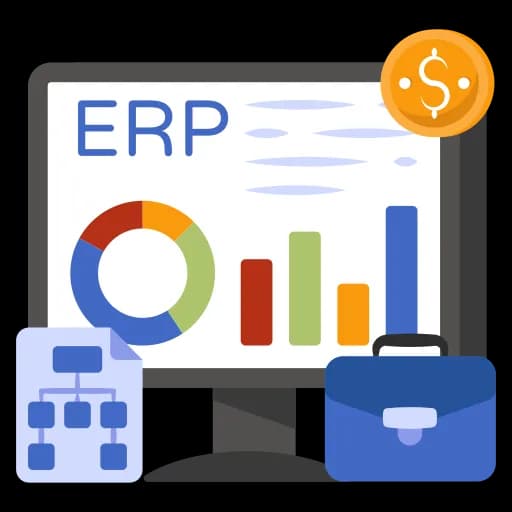
ERP systems provide advanced reporting and analytics tools to monitor business performance in real-time. These insights enable data-driven decision-making and strategic planning.
Billing and revenue management software is used to manage the billing and charging of telecommunication services. It helps operators ensure accurate and timely billing, manage revenue streams, and prevent fraud.
Startups use data analytics software to gather, process, and analyze large amounts of data to gain insights into customer behavior, market trends, and business performance.
E-commerce platforms are software applications that enable companies to sell products and services online. They typically include features such as product listings, shopping carts, payment processing, and order fulfillment.
CRM software is used to manage customer interactions and relationships. It helps real estate companies provide better customer service, personalize customer experiences, and improve customer retention.
This software is used by non-profits to track and measure their impact on the community they serve. It enables non-profits to better understand the effectiveness of their programs and to make data-driven decisions about how to improve their services.
Startups often use collaboration and communication tools such as Slack, Asana, or Trello to improve team collaboration and streamline workflows.
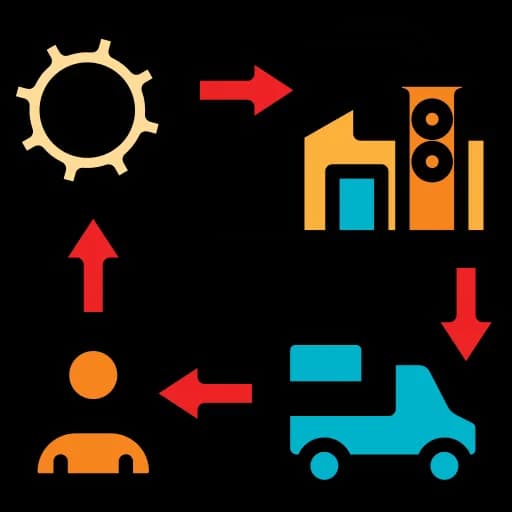
SCM modules oversee procurement, inventory, order fulfillment, and logistics. They help organizations streamline supply chain processes, reduce costs, and improve delivery times.
Non-profits use fundraising software to plan and execute fundraising campaigns, track donations, and analyze campaign results. It enables non-profits to raise funds more efficiently and effectively.
Database management software stores, organizes, and manages data efficiently. It allows users to retrieve, update, and administer databases, supporting business operations and data-driven decision-making.
ERP financial management modules help organizations automate and manage accounting, budgeting, and financial reporting. They ensure accurate financial data, streamline compliance, and improve cash flow visibility.
Practice management software is used to manage the day-to-day operations of a healthcare practice, including scheduling appointments, managing billing and payments, and generating reports
Analytics and reporting software is used to track key performance indicators (KPIs) such as website traffic, conversion rates, and revenue. It helps e-commerce companies identify areas for improvement, optimize their marketing efforts, and make data-driven decisions.
This software is used to manage donor data, track donations, and create donor reports. It enables non-profits to better engage with donors and build lasting relationships with supporters.
ERP modules support production scheduling, resource allocation, and quality control. This helps manufacturers increase operational efficiency and reduce production delays.
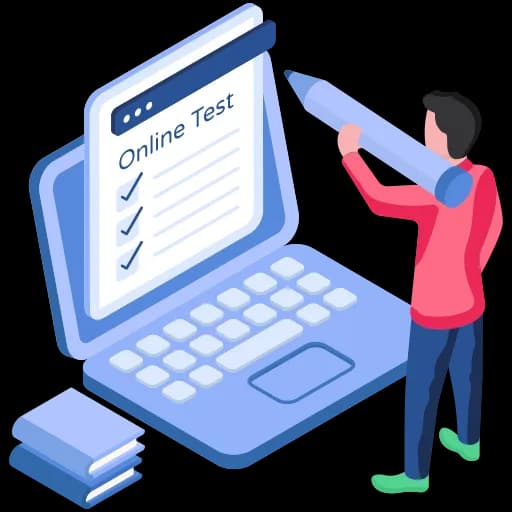
This software is used by schools and universities to manage and deliver online courses, track student progress, and provide resources such as multimedia content and online assignments.
Network management software is used to monitor and manage telecommunication networks, including wireless and wired networks. It helps operators detect and troubleshoot network issues, optimize network performance, and ensure network security.
Real estate investment software is used to analyze investment opportunities, such as rental properties, commercial properties, and vacation homes. It helps real estate investors evaluate potential returns, forecast cash flows, and make more informed investment decisions.
HIE software allows different healthcare providers to share patient information securely and efficiently.This can help improve patient outcomes by ensuring that all providers have access to the same information.
Patient engagement software is used to engage patients in their own care, through tools such as patient portals, mobile apps, and automated messaging. This can help improve patient satisfaction and adherence to treatment plans.
Property management software is used to manage real estate properties, including rental properties, commercial properties, and vacation homes. It helps property managers automate tasks such as rent collection, maintenance requests, and lease renewals.
Development software includes tools used by programmers to create, debug, and maintain applications. Examples include integrated development environments (IDEs), code editors, and version control systems.
Non-profits use grant management software to track grant applications, manage grant funds, and generate reports for funders. It enables non-profits to manage their grant funding and ensure that they are meeting the requirements of their funders more effectively.
Middleware acts as a bridge between different software applications or between applications and databases. It enables communication and data management in distributed systems, ensuring seamless integration and interoperability.
Real estate valuation software is used to estimate the value of real estate properties. It helps real estate professionals and appraisers assess market trends, compare properties, and generate accurate property valuations.
Startups use CRM software to manage customer data, track leads, and improve customer engagement.
This software is used by non-profits to advocate for policy change, mobilize supporters, and engage with lawmakers. It enables non-profits to have a greater impact on social and political issues.
Telemedicine software allows healthcare providers to conduct virtual consultations with patients, using video conferencing technology. This can help improve access to care, especially in rural or remote areas.
CMS are used to create, manage, and publish content on e-commerce websites. They allow businesses to easily update product listings, create landing pages, and manage customer reviews and ratings.
This software is used to manage volunteer data, schedule volunteers, and track volunteer hours. It enables non-profits to better engage with volunteers and ensure that they are working effectively to achieve the organization's goals.
Retailers use loyalty program software to create and manage customer loyalty programs, including rewards, incentives, and promotions.